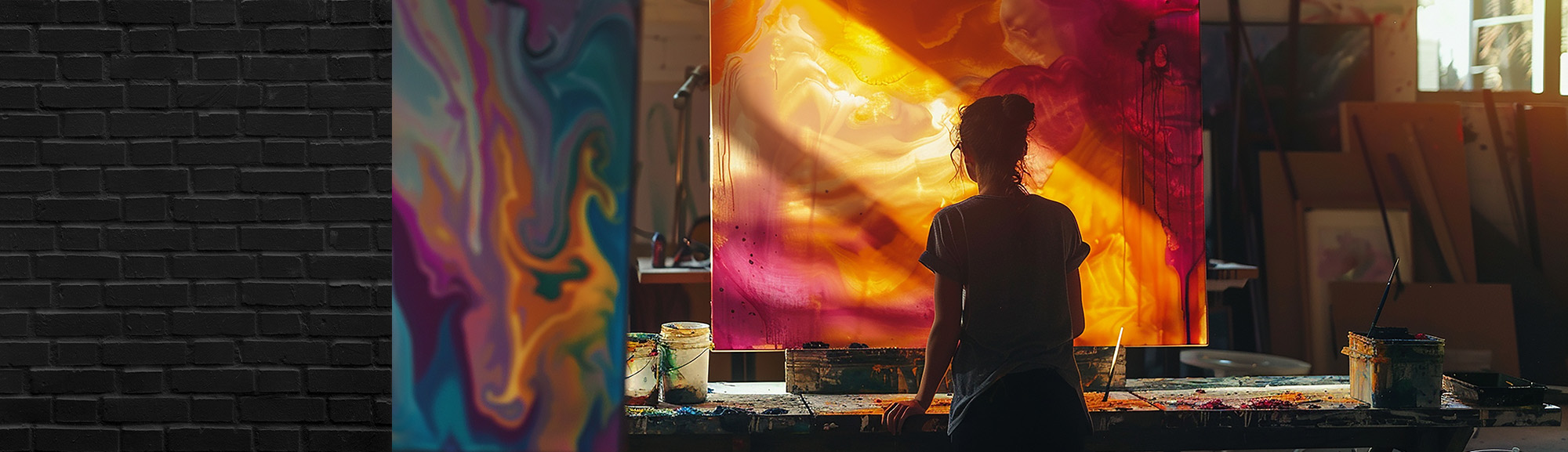
Painting Education and Its Types
Painting is one of the oldest and most popular visual arts, allowing artists to express their emotions, ideas, and perspectives on canvas, walls, paper, or other surfaces. Learning to paint can be pursued as a delightful hobby or a serious profession, involving various techniques, styles, and tools, each with its own beauty and purpose.
The Importance of Painting Education
Learning to paint not only enhances technical skills but also boosts creativity, concentration, and the ability to express emotions. This process helps individuals observe the world around them more carefully and depict different concepts through color and form.
Types of Painting and Their Subcategories
Learning to paint not only enhances technical skills but also boosts creativity, concentration, and the ability to express emotions. This process helps individuals observe the world around them more carefully and depict different concepts through color and form.
1- Painting Based on Style and Technique
Realism Painting
In this style, the artist aims to depict subjects as realistically as possible with detailed accuracy. Portraits, landscapes, and still life are common themes in realism.
Impressionism Painting
Abstract painting uses shapes, colors, and lines without relying on physical reality. The goal is to express emotions and inner concepts rather than directly representing objects.
Surrealism Painting
This style blends fantasy and reality, creating dreamlike and illogical compositions. Surrealist artists often use strange imagery and symbolic messages.
Abstract Painting
Abstract painting uses shapes, colors, and lines without relying on physical reality. The goal is to express emotions and inner concepts rather than directly representing objects.
Expressionism Painting
Expressionist artists convey strong emotions through bold colors, exaggerated shapes, and unique techniques.
Hyperrealism Painting
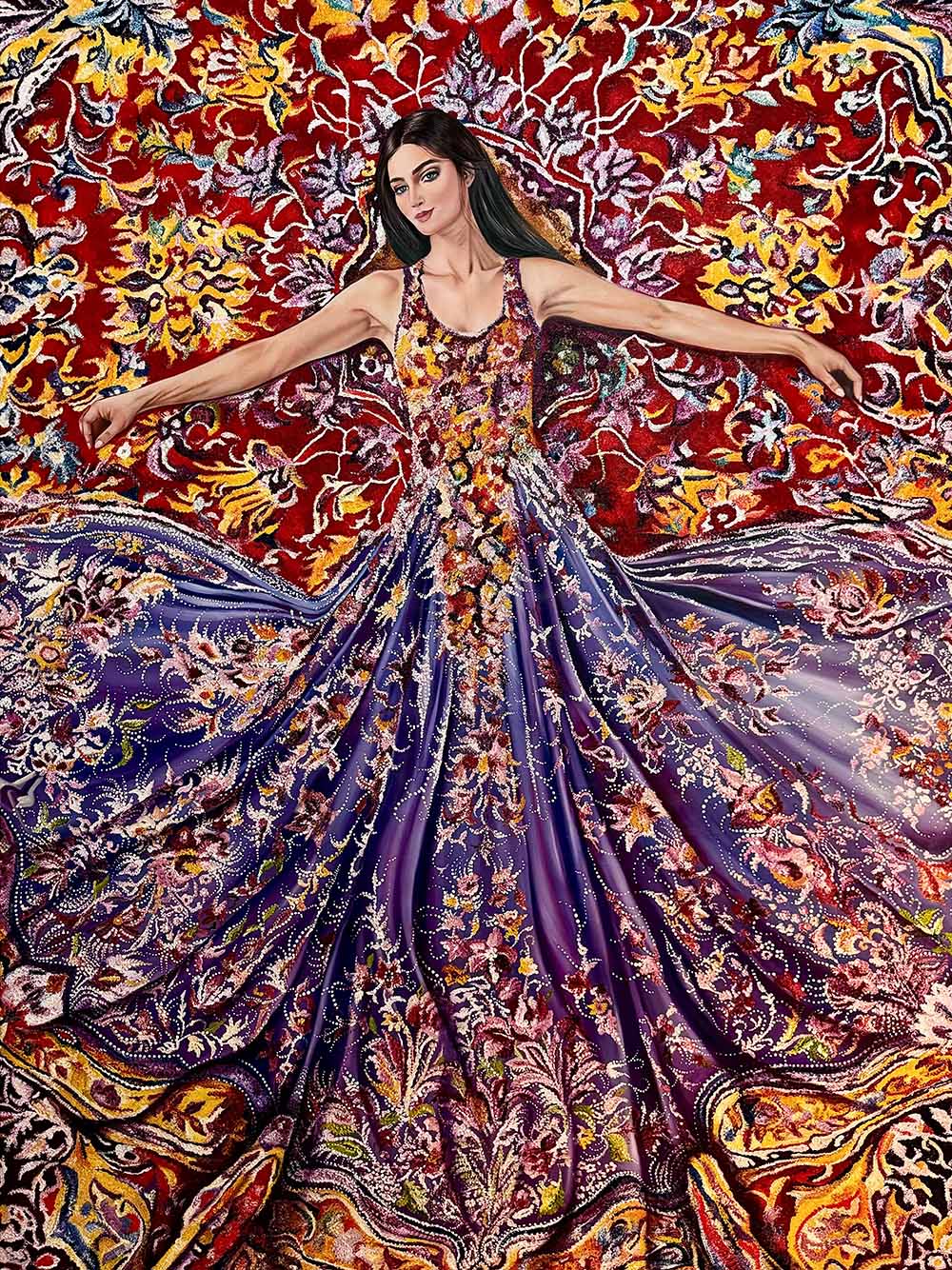
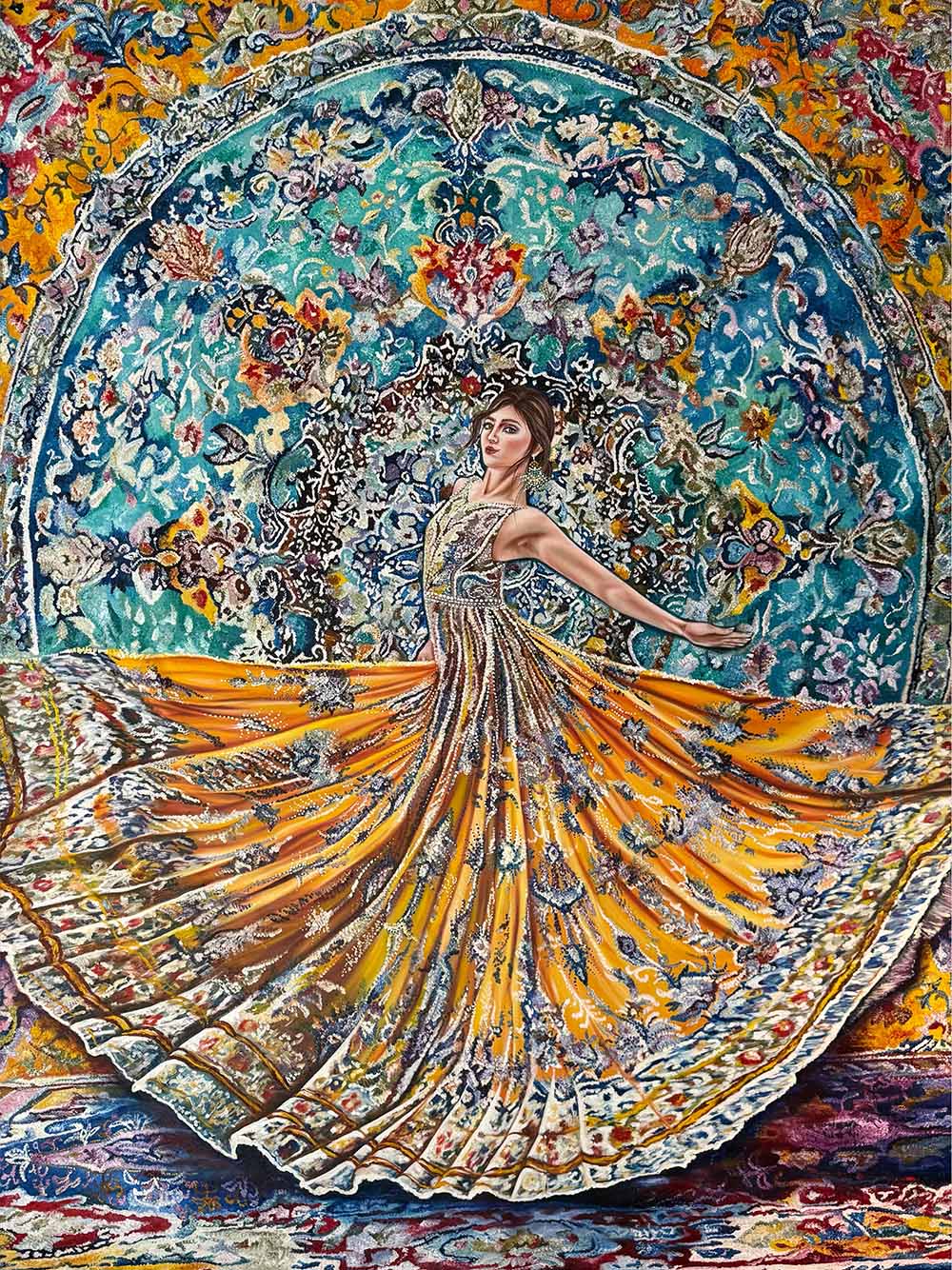
This style aims to create works that resemble high-resolution photographs, focusing on extreme detail and precision.
2- Painting Based on Technique and Tools
Pencil Drawing
One of the simplest and most common methods, using graphite pencils, colored pencils, or charcoal.
Watercolor Painting
This technique uses water-soluble colors that create a soft and transparent effect.
Oil Painting
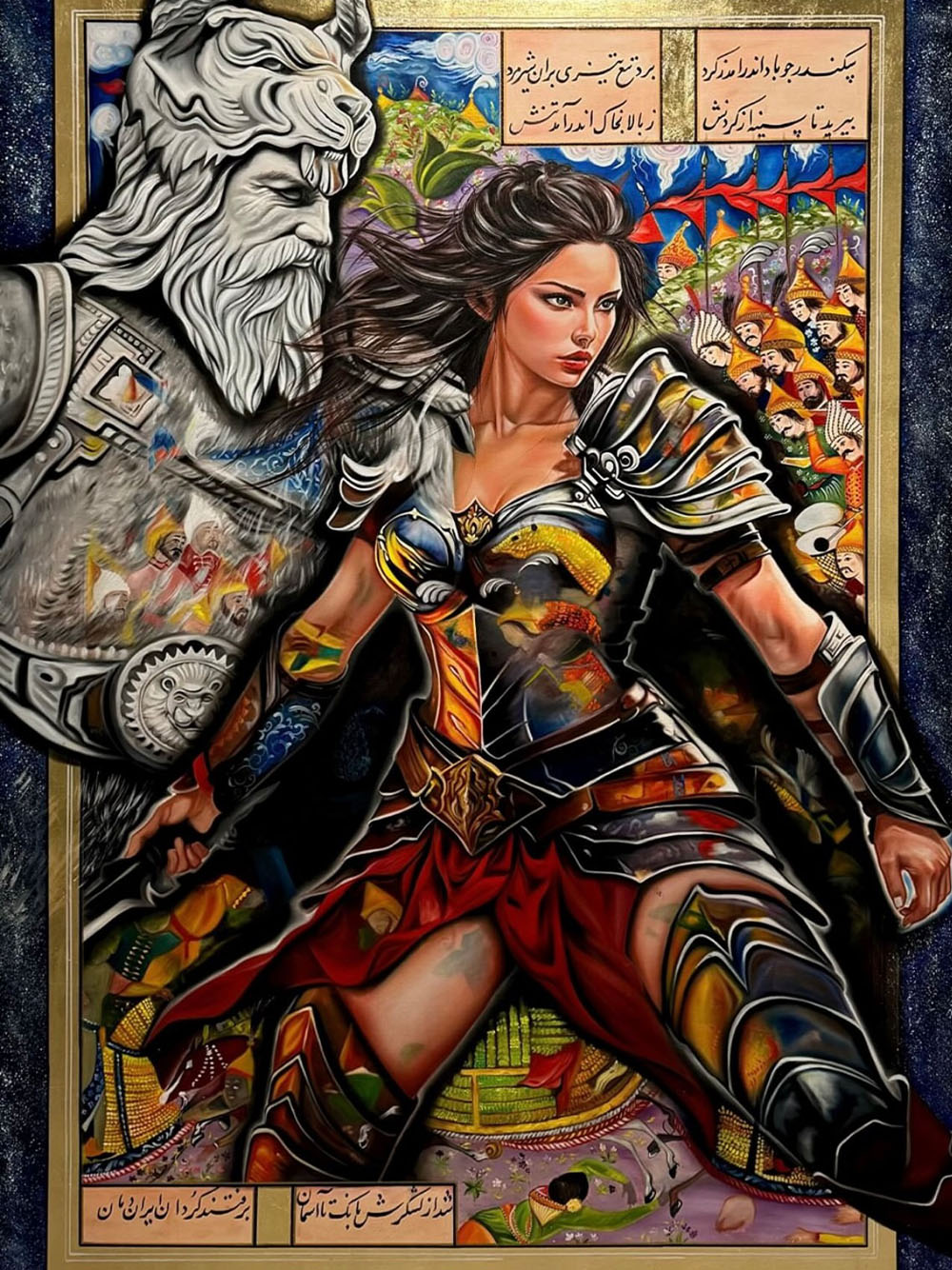
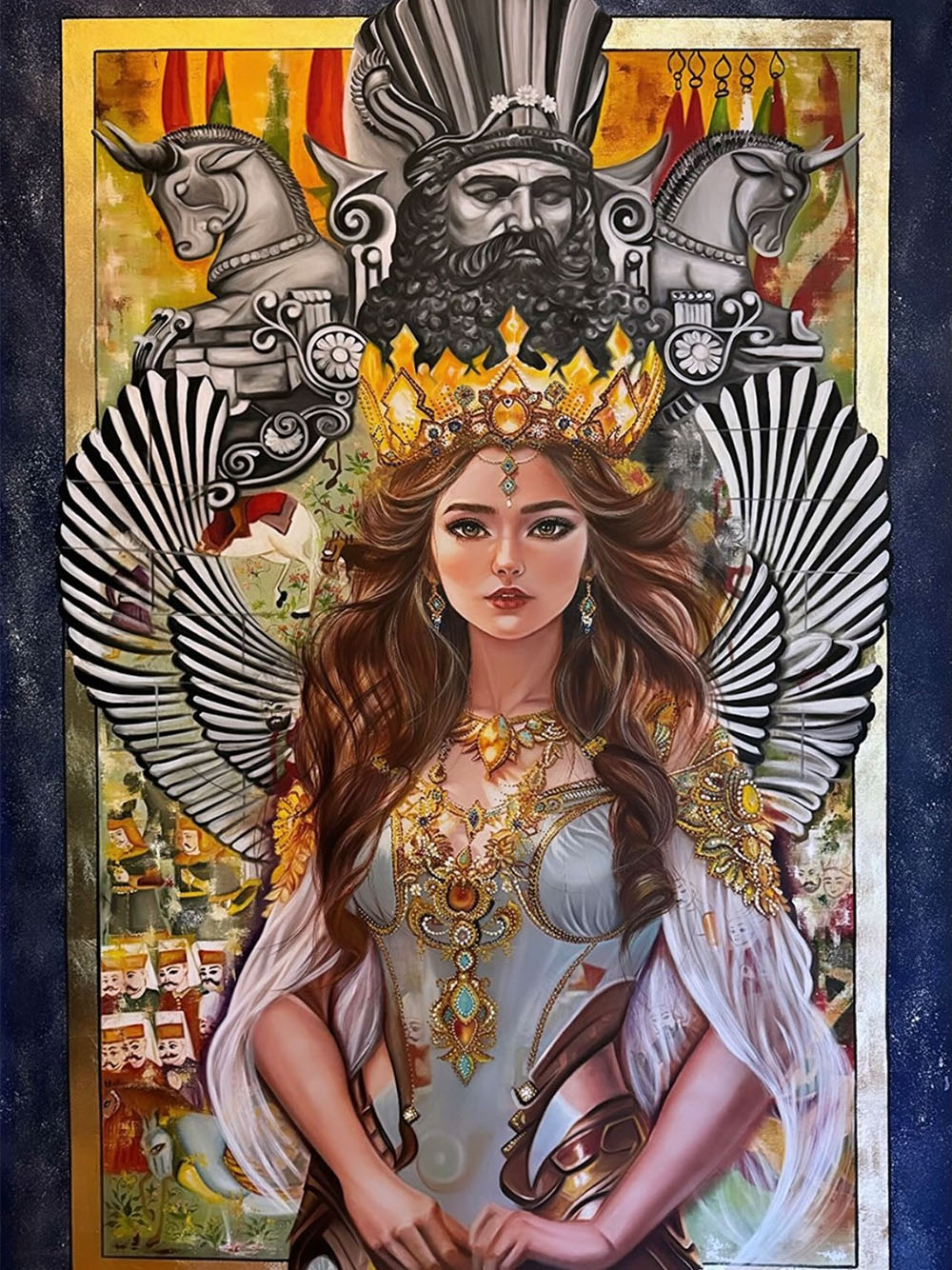
A widely used technique where oil-based paints (such as linseed oil) are applied, offering durability and flexibility for modifications.
Acrylic Painting
Acrylic paints dry quickly and can be used on various surfaces, including canvas, wood, and glass.
Digital Painting
With technological advancements, digital painting has become a popular branch of modern art, using software like Photoshop, Procreate, and Clip Studio Paint to create digital artworks.
Pastel Painting
Pastels provide vibrant colors and a soft texture, available in oil pastels and chalk pastels.
Mosaic Painting
This technique involves arranging small pieces of stone, glass, or ceramic to create beautiful compositions.
3- Painting Based on Subject
Portrait Painting
Focuses on drawing human faces with an emphasis on emotional and expressive details.
Landscape Painting
Depicts nature, mountains, seas, forests, and outdoor scenes to convey a sense of peace and beauty.
Still Life Painting
Involves depicting inanimate objects such as fruits, flowers, books, and everyday items with careful composition.
Conceptual Painting
Focuses more on conveying ideas and abstract meanings rather than representing a specific scene.
Benefits of Learning Painting
01
Enhances Creativity: Painting helps individuals develop a more creative mindset and better express their ideas.
02
Improves Visual and Observational Skills: Learning to paint sharpens the ability to notice details and improves concentration.
03
Reduces Stress and Increases Relaxation: Painting can be a great way to relieve daily stress and express emotions.
04
Strengthens Hand-Eye Coordination: Drawing lines, mixing colors, and adding details enhance fine motor skills.
Who Can Learn Painting?
Painting has no age restrictions, and people of all ages, from children to adults, can explore this beautiful art form. The key to success is continuous practice, patience, and a passion for learning.
Conclusion
Painting is not just a skill but also a powerful tool for expressing emotions and personal perspectives. By learning different styles, techniques, and tools, anyone can discover their artistic potential and create a world of beauty. If you are interested in painting, take the first step and experience the magic of colors and creativity!
Dr. Roya Rastegar Sani
Dean of the Art Department