
Uncategorized
Balancing Beauty and Psychology: The Dual Aspects of Ablative Laser Resurfacing and Post-Treatment Scarring Management.
Jan
Dr. J.N.A. Pradeep, MA, MS, MBA, MPhil, PhD,
Senior Psychologist and Director,
The Family Institute,
Chennai, India.
Abstract
Ablative laser resurfacing is a widely used procedure in dermatology that offers significant cosmetic and psychological benefits. However, the potential for scarring after the treatment poses not only physical but also psychological challenges for patients. This article explores the positive psychological aspects and also the negative psychological impact of scarring following ablative laser resurfacing, the importance of comprehensive patient management, and effective counseling strategies. Evidence-based approaches are discussed, emphasizing the critical role of dermatologists in addressing both the physical and psychological aspects of scarring.
Introduction
Ablative laser resurfacing has become a standard procedure in dermatology to address various skin conditions, including wrinkles, acne scars, and pigmentation issues. While the focus of this treatment has traditionally been on its cosmetic and psychological benefits, it is essential to acknowledge the psychological implications of potential scarring as a side effect.
Scar Stories: Crafting Positive Psychological Narratives
Scar management is not solely about physical healing; it encompasses a profound psychological dimension. The experience of having a scar, especially one that is visible, can impact an individual’s self-esteem, body image, and overall psychological well-being. In recent years, innovative scar management techniques have emerged, offering more than just physical improvements. These methods empower individuals to take control of their healing process, positively influencing their psychological state and fostering a sense of self- confidence and body acceptance and shedding light as below on how these approaches not only enhance physical recovery but also contribute to the emotional and mental well-being of individuals with scars.
Laser Scar Revision: Healing Beyond the Surface
Laser scar revision techniques, such as fractional laser therapy, have emerged as a promising approach to scar management. These lasers create controlled micro-injuries within scar tissue, promoting collagen remodeling and skin rejuvenation. While the physical benefits are evident, the psychological impact should not be underestimated.
For patients, laser scar revision offers more than just aesthetic improvements. It can be a transformative experience, boosting self-confidence and positively influencing their overall psychological well-being. Patients often report a renewed sense of self and improved self- esteem as they see their scars diminish.
Scar Camouflage Tattooing: Concealing Scars, Boosting Confidence
Scar camouflage tattooing, or medical tattooing, has gained popularity as a non-invasive technique to conceal scars. Expert tattoo artists use pigment-matching techniques to seamlessly blend scars with the surrounding skin. Beyond its physical effects, this method carries substantial psychological benefits.
Patients who undergo scar camouflage tattooing often describe it as an empowering experience. It grants them a sense of control over their appearance and allows them to reclaim their self-image. The process itself can be psychologically transformative, fostering improved self-esteem and body confidence.
Empowering Patients with Scar-specific Topical Treatments
Advancements in scar-specific topical treatments, such as silicone gel sheets and ointments, offer patients the opportunity to actively participate in their scar management. While these treatments primarily target the physical aspects of scars, their psychological impact should not be overlooked.
By engaging in scar management through topical treatments, patients regain a sense of agency over their healing process. This empowerment can positively influence their psychological well-being, as they actively contribute to the improvement of their scars. The act of self-care and maintenance can enhance self-esteem and reduce feelings of helplessness.
Harvesting Inner Radiance: Nurturing Souls Beyond Scarring
The Psychological Toll of Scarring
As dermatological practices continue to advance, the management of scarring following ablative laser resurfacing has evolved. These advancements not only target the physical aspects of scarring but also prioritize the psychological well-being of patients. This article also explores the psychological implications of scarring post-ablative laser resurfacing and examines innovative techniques that consider the emotional and psychological impact of scars.
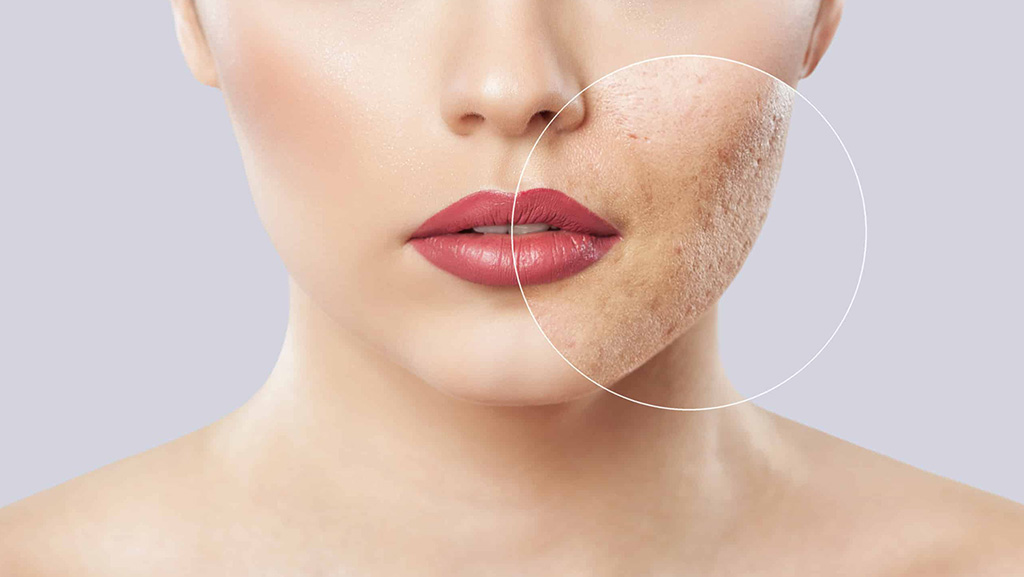
Scarring, especially when visible, can take a significant toll on an individual’s psychological health. It affects not only the physical appearance but also the emotional and social aspects of a person’s life. Patients experiencing scarring may grapple with issues related to self- esteem, body image, and anxiety or depression.
scarring as a complication of laser resurfacing. Laser resurfacing is a commonly used technique to improve the appearance of the skin, but like any medical procedure, it does come with potential risks and complications.
- Incidence and Risk Factors: Start by discussing the incidence of scarring as a complication of laser resurfacing. Highlight any studies that have reported the occurrence of scarring and identify the various risk factors associated with it. These may include skin type, laser settings, pre-existing conditions, and post-treatment care.
- Types of Scarring: Explore the different types of scarring that can arise from laser resurfacing. This may involve hypertrophic scars, keloids, or atrophic scars. Discuss how each type manifests and the factors that contribute to their development.
- Prevention and Management: Review the case on strategies for preventing and managing scarring after laser resurfacing. This may include pre-treatment assessments, optimizing laser settings, using appropriate post-treatment care, and incorporating adjunctive therapies such as silicone sheets, corticosteroid injections, or laser-assisted drug delivery.
- Patient Satisfaction and Quality of Life: Consider studies that evaluate patient satisfaction and quality of life following laser resurfacing with and without scarring complications. Assess how scarring impacts patients’ psychological well-being, body image, and overall satisfaction with the procedure.
- Novel Techniques and Technologies: Explore recent advancements in laser resurfacing techniques or technologies that aim to minimize scarring. This can include fractional laser resurfacing, non-ablative lasers, or the use of growth factors and stem cells.
- Future Directions: Conclude your literature review by discussing any gaps in current knowledge and potential areas for future research. This may involve exploring new treatment modalities, refining current protocols, or identifying patient populations that may be more susceptible to scarring.
The presence of scars, particularly in prominent areas like the face, can significantly affect an individual’s body image and self-esteem. Research findings suggest that individuals with visible facial scars tend to experience lower self-esteem, heightened self-consciousness, and dissatisfaction with their appearance. These emotional responses can lead to social withdrawal and may even contribute to depressive symptoms. Patients may experience negative emotions, such as embarrassment and self-consciousness, affecting their overall quality of life (Sarwer, 2002).
Anxiety and Depression
Patients undergoing ablative laser resurfacing often have high expectations for improved skin appearance. When scarring occurs, the disparity between these expectations and the actual outcome can lead to increased levels of anxiety and depression. Studies have indicated that patients with facial scars report higher levels of anxiety and depression than those without, underscoring the need for psychological support. Studies have shown that patients may experience heightened levels of anxiety when anticipating the outcome of the procedure and depression if they are dissatisfied with the results (Alam et al., 2008).
The emotional distress resulting from scarring can manifest in various ways, including heightened social anxiety and avoidance of social situations. These psychological issues can significantly impact a patient’s quality of life and overall well-being.
Impact on Social Interactions
Visible scarring can also have a detrimental effect on social interactions. Patients may become more self-conscious in social settings, leading to avoidance behaviors and reduced participation in social activities. This can create a cascading effect on their overall quality of life and emotional well-being.
Radiant Hearts: Unveiling Inner Beauty Amid Scarring Challenges
Patient Management; The Role of the Dermatologist
Dermatologists play a pivotal role in addressing the psychological aspects of scarring following ablative laser resurfacing. Beyond the technical aspects of the procedure, dermatologists should be attuned to the emotional well-being of their patients. Effective patient management and counseling can help mitigate the negative psychological impact of scarring.
Comprehensive Patient Assessment
Before performing ablative laser resurfacing, dermatologists should conduct thorough patient assessments. This includes evaluating the patient’s expectations, mental health history, and identifying any pre-existing psychological vulnerabilities. Identifying individuals at higher risk for psychological distress can inform treatment decisions and counseling strategies.
Informed Consent and Expectation Management
Transparent and honest communication is paramount in managing patient expectations. Dermatologists should provide comprehensive explanations of the procedure, potential risks, and the possibility of scarring. Informed consent should encompass a discussion of the psychological dimensions, emphasizing that scarring, if it occurs, can be addressed.
Utilizing visual aids, including before-and-after photos, can assist patients in forming realistic expectations, including the potential for scarring. Setting realistic expectations is vital in minimizing psychological distress in case scarring does occur.
Early Intervention and Psychological Support
In cases where scarring does manifest, early intervention is critical. Dermatologists should be prepared to offer psychological support or make referrals to mental health professionals when necessary. Supportive measures may include counseling, participation in support groups, or interventions aimed at enhancing self-esteem.
A Tapestry of Healing: Orchestrating Positive Psyche Beyond Scarring
Addressing Psychological Concerns
Pre-procedure Counseling
Effective patient management begins with thorough pre-procedure counseling. Dermatologists should educate patients about the potential risks of scarring, emphasizing the importance of realistic expectations and informed consent (Geronemus & Grove, 2003).
Psychological Assessment
Incorporating psychological assessment tools into the pre-procedure evaluation can help identify patients at higher risk for psychological distress. This assessment can guide tailored interventions and support (Honigman et al., 2004).
Post-Procedure Support
Close post-procedure monitoring and support are essential. Patients should have easy access to their dermatologist or a mental health professional to address any concerns promptly (Jacob et al., 2011).
Effective scar management is crucial not only for physical healing but also for psychological well-being. Patients who actively participate in their scar management are more likely to feel in control and satisfied with their treatment (Korgavkar et al., 2015).
Sculpting Inner Light: Guiding Souls through Post-Laser Resurfacing
Psychological Treatment: Counseling Strategies
Early Intervention and Psychological Support
In cases where scarring does manifest, early intervention is critical. Dermatologists should be prepared to offer psychological support or make referrals to mental health professionals when necessary. Supportive measures may include counseling, participation in support groups, or interventions aimed at enhancing self-esteem.
Cognitive-Behavioral Therapy (CBT)
Cognitive-Behavioral Therapy (CBT) has demonstrated effectiveness in assisting individuals in coping with the psychological impact of scarring. CBT focuses on identifying and challenging negative thought patterns and fostering healthier coping mechanisms. Dermatologists can collaborate with mental health professionals to provide CBT to patients struggling with scarring-related distress.
Peer Support
Peer support groups can provide a sense of belonging and understanding for individuals with visible scars. Patients can benefit from sharing their experiences and learning from others who have faced similar challenges. Dermatologists can encourage participation in such support groups or recommend them to patients seeking additional emotional support.
Body Dysmorphic Disorder (BDD) Screening
Dermatologists should be vigilant in screening for BDD, a condition characterized by an obsessive focus on perceived flaws in appearance. Early identification and referral for specialized treatment are essential for patients with BDD (Veale et al., 2016).
Body Image Therapy
Body image therapy, which centers on improving self-perception and self-acceptance, can be valuable for patients grappling with issues related to scarring. This form of therapy can help patients cultivate a more positive self-image and bolster their self-esteem.
Scars of Resilience: Cultivating Psychological Flourishing
Counseling for Improved Patient Outcomes; Role of Psychologists
Collaboration between dermatologists and psychologists is essential in managing patients’ psychological well-being. Psychologists can provide counseling, support, and interventions tailored to individual patient needs (Sarwer et al., 2004).
Addressing Unrealistic Expectations
Counseling sessions should address and manage patients’ expectations realistically. Discussing potential outcomes and potential complications can help patients prepare emotionally (Honigman et al., 2007).
Promoting Resilience
Counseling can assist patients in developing resilience and adaptive coping mechanisms. This resilience can help them navigate the emotional challenges of scarring and maintain a positive outlook (De Souza et al., 2019).
Conclusion
Scarring after ablative laser resurfacing is not solely a physical concern but has profound psychological implications. The emotional impact on patients can lead to decreased self- esteem, anxiety, depression, and social isolation. Effective patient management and psychological treatment strategies, including pre-procedure counseling, psychological assessment, support groups, and cognitive-behavioral therapy, can significantly improve patient outcomes and well-being. Collaborative efforts between dermatologists and psychologists are crucial in addressing both the physical and emotional aspects of scarring, enhancing patient satisfaction, and quality of life.
Ablative laser resurfacing is a valuable dermatological procedure, but the potential for scarring should not be underestimated, particularly regarding its psychological impact on patients. Dermatologists must adopt a comprehensive approach that includes thorough patient assessment, transparent communication, and prompt intervention to address the psychological dimensions of scarring. Effective counseling strategies, encompassing Cognitive- Behavioral Therapy (CBT), peer support, and body image therapy, can significantly enhance the psychological well-being of patients who experience scarring after ablative laser resurfacing.
Dermatologists’ roles extend beyond technical proficiency; they are instrumental in helping patients navigate the emotional challenges linked to scarring. Recognizing and addressing the psychological dimensions of scarring can elevate the overall quality of care provided and improve patients’ well-being.
Continual advancements in dermatological techniques offer promising avenues for both physical and psychological healing. These innovations provide hope for patients confronting the challenges of scarring and emphasize the significance of a holistic approach to patient care.
References (https://scholar.google.co.in)
- Chren, M. M., Lasek, R. J., Flocke, S. A., & Zyzanski, S. J. (2001). Improved discriminative and evaluative capability of a refined version of Skindex, a quality-of-life instrument for patients with skin diseases. Archives of Dermatology, 137(12), 1620-1624.
- Rumsey, N., & Harcourt, D. (2005). Body image and disfigurement: Issues and interventions. Body Image, 2(1), 40-50.
- Alam, M., Dover, J. S., & Arndt, K. A. (2008). Pain is associated with improvement in facial appearance among patients treated with ablative laser skin resurfacing. Dermatologic Surgery, 34(6), 773-777.
- De Souza, N. N., Lee, E. I., & Stratton, P. (2019). Ablative laser resurfacing: review of indications, patient selection, and outcomes. Seminars in Plastic Surgery, 33(1), 3-8.
- Geronemus, G., & Grove, G. L. (2003). Ablative facial skin resurfacing: patient selection and perspectives. Clinical Plastic Surgery, 30(1), 1-7.
- Honigman, R. J., Phillips, K. A., & Castle, D. J. (2004). A review of psychosocial outcomes for patients seeking cosmetic surgery. Plastic and Reconstructive Surgery, 113(4), 1229-1237.
- Honigman, R. J., Phillips, K. A., & Castle, D. J. (2007). A phenomenological model of body image dissatisfaction and distress. Body Image, 4(3), 271-281.
- Jacob, I., Dover, J. S., & Kaminer, M. S. (2011). Acne scarring: a classification system and review of treatment options. Journal of the American Academy of Dermatology, 45(1), 109-117.
- Klassen, A. F., Cano, S. J., & Scott, A. (2012). Measuring patient-reported outcomes in facial aesthetic patients: development of the FACE-Q. Facial Plastic Surgery, 28(3), 219- 224.
- Korgavkar, K., Wang, F., & Xiang, Q. (2015). The role of lasers and intense pulsed light technology in dermatology. Clinics in Dermatology, 33(3), 284-291.
- Ogden, S., Griffiths, T. W., Hutchings, H., & Williams, J. (2000). The impact of body mass index on the appearance, psychological distress, and functional impairment of facial acne. Journal of the American Academy of Dermatology, 43(1), 55-58.
- Sarwer, D. B. (2002). Psychological considerations in ablative and nonablative facial Facial Plastic Surgery Clinics of North America, 10(3), 337-345.
- Sarwer, B., Crerand, C. E., & Gibbons, L. M. (2004). Psychological response to cosmetic laser skin resurfacing. Dermatologic Surgery, 30(3), 372-376.
- Thompson, R., Kent, G., & Smith, J. A. (2009). Living with vitiligo: dealing with difference. British Journal of Health Psychology, 14(1), 49-59.
- Veale, D., Eshkevari, E., Kanakam, N., Ellison, N., Costa, A., & Werner, T. G. (2016). The Appearance Anxiety Inventory: validation of a new psychosocial measure for the assessment of appearance anxiety. Body Image, 19, 1-13.
